
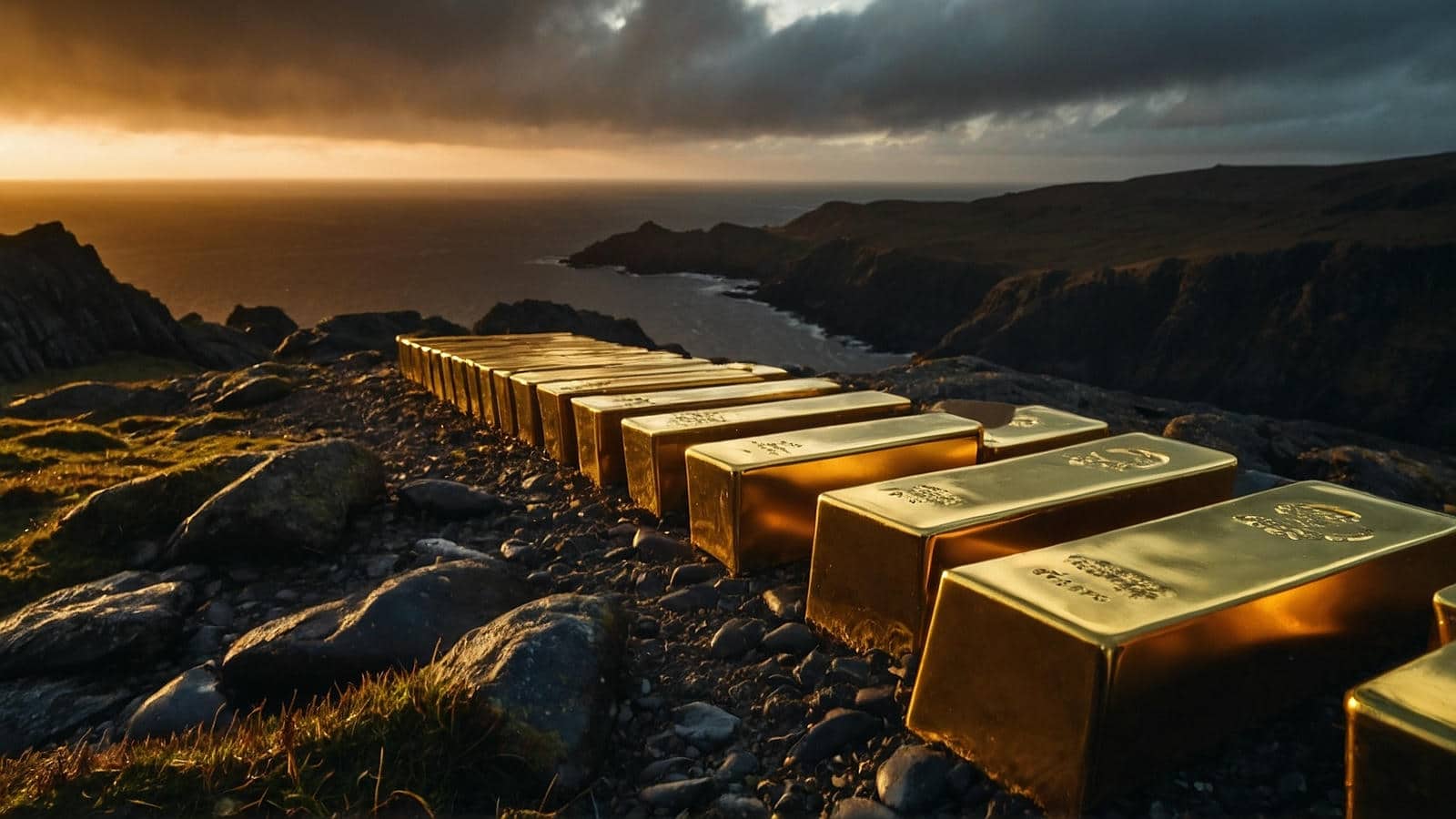
Four hundred million years ago, deep beneath what would become the mountains of Snowdonia, geological forces were crafting something extraordinary. Volcanic activity, intense pressure, and mineral-rich solutions combined in perfect conditions to create gold unlike any other on Earth—metal with a distinctive warm rose colour that would one day adorn British royalty and capture hearts worldwide. This is the story of Welsh gold, a tale that interweaves geology, history, royal romance, and human craftsmanship into one of Britain’s most precious treasures.
Understanding Welsh gold’s story transforms it from beautiful jewellery into something deeper—a tangible connection to ancient landscapes, royal traditions spanning a century, and geological miracles that cannot be replicated. When you wear Welsh gold jewellery from Clogau Outlet, you’re wearing this entire story, connecting yourself to mountains, monarchs, and moments that have shaped British heritage.
The Geological Miracle: How Welsh Gold Was Born
Welsh gold’s story begins during the Ordovician period, when tectonic forces and volcanic eruptions created the landscape that would become Snowdonia. Deep underground, superheated fluids carrying dissolved minerals flowed through cracks in volcanic rocks, depositing precious metals as they cooled. These processes weren’t unique to Wales—similar geology created gold deposits worldwide—but specific conditions in Snowdonia created something genuinely distinctive.
The Dolgellau gold belt, stretching through the heart of Snowdonia, formed through volcanic activity that created fractured rocks perfect for mineral deposition. As hydrothermal fluids—essentially very hot water carrying dissolved gold and other elements—moved through these fractures, temperature and pressure changes caused minerals to precipitate out of solution, forming the gold-bearing quartz veins that miners would eventually discover.
What made Welsh gold unique was its specific mineral composition. The fluids depositing gold in Snowdonia carried particular trace elements, especially copper compounds, that became incorporated into the growing gold crystals. These trace elements—impurities from a chemist’s perspective—created Welsh gold’s distinctive warm rose colour whilst also affecting its physical properties in subtle ways that craftsmen still appreciate today.
The resulting gold veins were neither large nor consistently rich. Unlike massive deposits in South Africa or Australia, Welsh gold occurred in narrow, irregular veins that twisted through hard volcanic rock like metallic ribbons. This geological reality meant Welsh gold would always be scarce, requiring enormous effort to extract relatively small quantities. The mine that would eventually supply royal wedding rings produced, during its entire history, approximately the amount of gold a single modern industrial mine might produce in months.
Celtic Connections: Gold in Ancient Wales
Long before Victorian miners established commercial operations, ancient peoples knew about Welsh gold. Archaeological evidence shows gold working in Wales dating back over 3,000 years, with Bronze Age craftsmen creating intricate ornaments from locally-sourced precious metal.
Celtic goldsmiths achieved remarkable sophistication, creating torcs, brooches, and ornaments that demonstrate advanced metalworking knowledge. These ancient craftsmen may have worked gold from the same veins that would later supply royal rings, creating an unbroken thread of Welsh goldworking spanning millennia.
The Celts revered gold for spiritual as well as material reasons. Its incorruptibility—gold doesn’t tarnish or decay—made it suitable for sacred objects and symbols of power. Welsh princes wore gold ornaments signifying authority whilst connecting them to ancient traditions of divine kingship. This reverence for gold as sacred metal adds another layer to Welsh gold’s modern significance.
The Victorian Discovery: Commercial Mining Begins
Modern Welsh gold history begins in the mid-19th century when industrial revolution technology made large-scale mining feasible. The “Welsh gold rush” of 1862 briefly transformed quiet Dolgellau into a bustling mining centre as prospectors flooded in, hoping to make fortunes from Snowdonia’s gold.
The Clogau St David’s mine, destined to become the source of royal stockpiles, opened during this period. Located near Bontddu, the mine initially extracted copper before gold production became its primary focus. The operation faced constant challenges—narrow, irregular veins required skilled miners who could follow gold through hard volcanic rock without losing precious ore.
Mining Welsh gold demanded techniques different from those used elsewhere. The gold occurred in quartz veins requiring careful extraction to avoid shattering and losing small particles. Water constantly flooded workings, requiring pumping systems that consumed resources and limited how deep miners could go. The hard rock required blasting, but explosives risked destroying delicate gold-bearing veins if not carefully controlled.
Between 1862 and 1911, Clogau’s peak period, the mine produced approximately 78,500 troy ounces of gold from 165,000 tons of ore. These numbers reveal both the mine’s significance and the difficulty of Welsh gold extraction—every ounce required processing over two tons of rock, demanding enormous labour and resources for relatively modest yields.
The Royal Tradition: How Welsh Gold Became Regal
The transformation of Welsh gold from industrial commodity to royal treasure began in 1923 when Lady Elizabeth Bowes-Lyon chose it for her wedding ring. The decision wasn’t random—Welsh gold’s unique colour and British origins made it perfect for marking constitutional as well as personal significance.
The wedding ring tradition established by the future Queen Mother became institutional practice. Subsequent royal brides received Welsh gold rings as part of wedding traditions, each ceremony reinforcing the metal’s association with royal romance. Princess Margaret’s wedding, Princess Anne’s marriage, Diana’s fairy-tale ceremony, and modern royal weddings all continued the tradition, creating an unbroken century of Welsh gold royal romance.
The Royal Family’s commitment to Welsh gold required maintaining stockpiles for future use. As commercial mining became economically unviable, preserving sufficient Welsh gold for future royal weddings became priority. The careful management of remaining stocks ensures the tradition can continue, though it also means that every piece of Welsh gold jewellery available today represents portions of an irreplaceable resource.
The Mine Today: Silent Testimony to Industrial Heritage
The Clogau St David’s mine ceased commercial operations decades ago, its economically viable reserves exhausted. Today, the mine stands as silent monument to Victorian industry and the unique geological processes that created Welsh gold. Environmental protections within Snowdonia National Park make renewed large-scale extraction virtually impossible, ensuring that Welsh gold deposits remain closed permanently.
The mine’s closure transformed Welsh gold from industrial commodity into finite luxury. Unlike other gold sources that continue producing indefinitely, Welsh gold exists in fixed quantities that diminish with every piece sold. This mathematical certainty—that Welsh gold supply can only decrease, never increase—adds urgency to acquiring pieces whilst they remain available.
Remaining Welsh gold stockpiles are carefully managed, allocated to jewellers like Clogau who maintain traditions of quality craftsmanship whilst making this precious metal accessible through carefully curated collections. Every piece created today represents a conscious decision about how to use irreplaceable heritage metal, ensuring it becomes jewellery worthy of its extraordinary provenance.
The Landscape: Snowdonia’s Romantic Setting
Understanding Welsh gold requires appreciating the landscape where it formed. Snowdonia National Park encompasses some of Britain’s most dramatic scenery—rugged mountains carved by glaciers, deep valleys holding mysterious lakes, and wild uplands where Celtic legends feel tangibly present.
The Clogau mine sits within this romantic landscape, surrounded by peaks that have inspired poets, painters, and romantics for centuries. When you wear Welsh gold jewellery, you carry a piece of these mountains with you—metal that lay buried beneath Snowdonia’s ridges whilst King Arthur’s legends developed, whilst Welsh princes ruled, and whilst centuries of human history unfolded above.
The connection between Welsh gold and Welsh landscape adds dimension to jewellery’s significance. This isn’t generic precious metal from anonymous industrial sites—it’s metal intimately connected to specific places carrying specific cultural meanings. The warm rose colour seems to capture Snowdonia sunsets, the metal’s durability mirrors the mountains’ endurance, and its rarity reflects the special character of Wales itself.
Modern Appreciation: Welsh Gold Today
Contemporary appreciation for Welsh gold extends beyond British borders. International collectors increasingly recognise this metal’s unique combination of geological distinctiveness, royal heritage, and cultural significance. Welsh gold jewellery appears in museum collections, academic studies, and high-end jewellery auctions, cementing its status as genuinely special precious metal.
This growing recognition hasn’t made Welsh gold less accessible—rather, outlets like Clogau Outlet ensure that appreciation translates into availability at prices allowing diverse audiences to own pieces. The democratisation of Welsh gold through accessible pricing means anyone can participate in this heritage, wearing jewellery that connects them to royal traditions and ancient landscapes regardless of their personal circumstances.
Modern Welsh gold jewellery balances heritage respect with contemporary aesthetics. Designers create pieces appealing to current tastes whilst honouring the metal’s traditional associations. Collections ranging from minimalist contemporary designs through elaborate traditional pieces ensure Welsh gold suits diverse style preferences whilst maintaining consistent thread of authentic heritage.
The Chemistry: What Makes Welsh Gold Different
Scientific analysis reveals exactly what makes Welsh gold unique. Spectrographic testing shows trace copper, silver, and other elements incorporated during formation. These impurities—typically 0.5-2% of total composition—create the warm rose colour whilst subtly affecting physical properties.
The copper content, whilst small, significantly impacts appearance. Pure gold appears bright yellow; copper additions shift colour toward warmer, rosier tones. The specific copper levels in Welsh gold create distinctive hue that differs from artificially-created rose gold alloys whilst remaining consistent across different pieces.
These trace elements also affect how Welsh gold works. The metal’s response to temperature, its malleability, and its behaviour during forming and finishing all show subtle differences from pure gold. Experienced craftsmen learn these characteristics, developing techniques specifically for Welsh gold that achieve optimal results whilst respecting the metal’s unique properties.
Cultural Significance: More Than Metal
Welsh gold transcends mere jewellery material to become cultural symbol. It represents Welsh identity, British heritage, royal tradition, and geological uniqueness in tangible form. Wearing Welsh gold makes statements about values—appreciation for heritage, recognition of quality, and connection to traditions larger than individual preferences.
For people with Welsh ancestry, Welsh gold provides physical connection to heritage. Even those without Welsh background appreciate participating in British cultural traditions through jewellery with documented significance. This cultural dimension adds depth that standard precious metals lack, transforming accessories into meaningful possessions.
The royal association particularly resonates across generations. Older wearers remember watching royal weddings where Welsh gold rings featured prominently, whilst younger people appreciate contemporary royals’ continued commitment to this tradition. Welsh gold thus bridges generations through shared cultural touchstones.
Finding Your Welsh Gold at Clogau Outlet
Clogau Outlet makes this extraordinary heritage accessible through collections showcasing Welsh gold’s versatility. From engagement rings following royal traditions to contemporary pieces demonstrating modern design possibilities, outlets provide opportunities to own jewellery connected to geology, history, and craftsmanship spanning centuries.
The outlet environment encourages learning alongside shopping. Staff share knowledge about Welsh gold’s heritage, helping customers appreciate what makes these pieces special whilst guiding them toward items suiting personal needs. This educational approach ensures purchasers understand and value what they’re acquiring, building appreciation that lasts beyond initial purchase excitement.
Seasonal availability and curated selections mean outlet visits often reveal unexpected treasures—pieces you didn’t know you wanted until seeing them, or collections you hadn’t previously appreciated that suddenly resonate upon closer examination. This discovery element adds pleasure to outlet shopping whilst potentially expanding your Welsh gold collection in directions you hadn’t initially considered.
Caring for Heritage: Maintaining Your Welsh Gold
Welsh gold jewellery represents geological and cultural heritage deserving appropriate care. Fortunately, the metal’s natural properties make maintenance straightforward. Welsh gold doesn’t tarnish like silver or develop patina like copper—it maintains its warm lustre with minimal intervention.
Regular gentle cleaning keeps Welsh gold looking its best. Mild soap and warm water handle routine maintenance, whilst soft brushes reach intricate details without scratching surfaces. This simple care routine suffices for most pieces worn regularly, ensuring they always look presentation-ready.
Professional servicing every few years provides comprehensive maintenance beyond home cleaning capabilities. Jewellers cheque settings, refresh polishing, and can repair minor damage before it becomes serious. This preventive care ensures Welsh gold jewellery remains perfect for generations, potentially becoming family heirlooms passed down with stories of the occasions they marked and the lives they adorned.
The Future: Finite Treasure, Endless Beauty
Welsh gold’s future differs from other precious metals because supply is mathematically finite. Every piece sold reduces remaining stocks that cannot be replenished through new mining. This reality transforms Welsh gold from commodity into genuine rarity—limited not by artificial scarcity but by geological fact.
This scarcity means Welsh gold jewellery available today represents opportunities that future generations may not enjoy. As stocks diminish, acquiring authentic Welsh gold pieces becomes increasingly meaningful. Current availability through outlets like Clogau provides access to heritage that may become significantly less accessible as decades pass.
However, scarcity doesn’t diminish Welsh gold’s essential appeal—the warm beauty, royal connections, and cultural significance that make it special transcend availability questions. Whether stocks last decades or centuries, Welsh gold will remain extraordinary because of what it represents: geological miracle, royal tradition, Welsh heritage, and human craftsmanship united in tangible form.
Conclusion: Your Connection to Living Heritage
Welsh gold jewellery offers something increasingly rare in modern life—genuine connection to deep history, authentic uniqueness, and beauty deriving from natural processes rather than artificial manipulation. From Ordovician volcanic activity through Celtic craftsmanship, Victorian mining, royal romance, and contemporary design, Welsh gold embodies extraordinary story that continues unfolding with every piece worn.
When you acquire Welsh gold from Clogau Outlet, you become part of this continuing story. Your jewellery connects you to Snowdonia mountains, royal traditions, and geological processes spanning hundreds of millions of years. This depth of connection transforms simple accessories into meaningful possessions that tell stories extending far beyond personal ownership.
Whether you choose Welsh gold for its royal associations, its visual beauty, its geological uniqueness, or its cultural significance, you’re participating in heritage that honours past whilst embracing present and extending toward future. Your Welsh gold jewellery represents all this—ancient mountains, royal romance, skilled craftsmanship, and your personal story, all united in metal that glows with warmth earned across ages. The story continues, and now you’re part of it.
About the Author


